

I have never been keen to own things. It is not a decision I have taken consciously. I have never dreamt of buying an apartment, and I am happy not having a car. I have a camera — that I could sell —, a couple of mattresses, a few basic kitchen appliances, a collection of weird objects, and some furniture that I love and have exchanged for artworks or that my friends have gifted me. The only thing I own is artworks. I did not buy them. They are “printing proofs” resulting from a collaboration with my colleague artists and friends made at Panik1 in Mexico City, an art production studio founded by Plinio Avila and me. The authorship belongs to the artists, but is a result of a collaboration. In this sense, I value belonging and ownership when not seen as commodities.
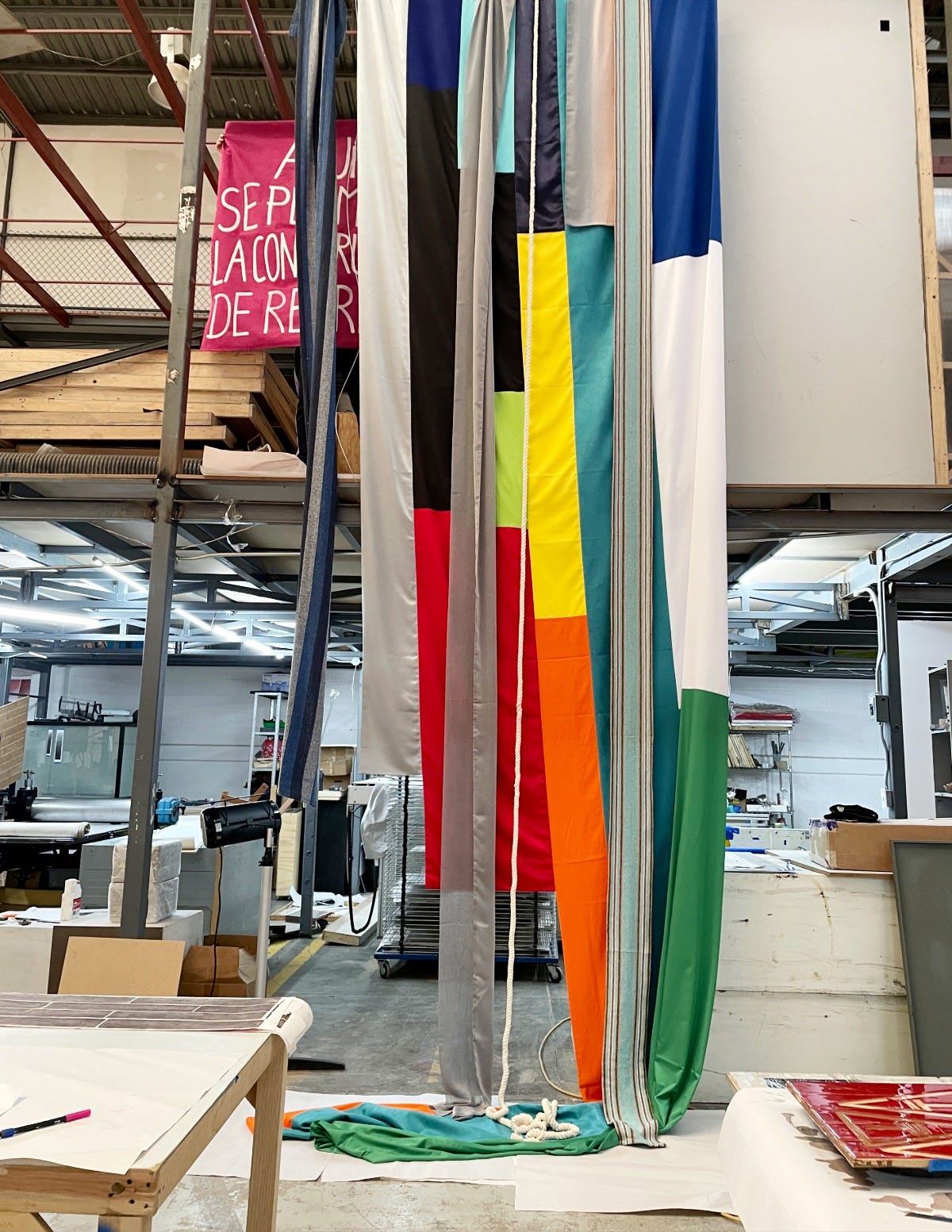
Belonging, which has been the ongoing fuel of Panik, is also the spirit that drives Curiosity Labs Berlin and Mexico City. It is about creating artworks, researching, doing interesting projects and collecting, but the value lies in collaborations and dialogue rather than in acquiring goods for status or exclusive levels of membership, or to support projects for brand presence and other marketing strategies.
Collecting, sponsoring and gallery representation, I hope, are reshaping into more thought-provoking and collective practices. In this sense, modern patron schemes have a lot to learn from the traditional mecenas of the past.
This also responds to the weakening or the disappearance of artist representation in the traditional sense. More and more artists are in direct contact with institutions and particulars. Galleries are suffering too. And this saddens me. The renewal should come from new ways of connecting, owning and belonging.
Artists, we complain a lot. It comes with the trade. And this year, during Art Week in Mexico, as well as last year and the year before, and so on, I heard my colleague artists, curators and gallerists talk about struggles, difficulties, and a lack of opportunities and sales. —How are you? — I’m doing really well! That is how we answer in Mexico, no matter what. — But it was a terrible year. We repeat in between the eternal parade of hugs and kisses. The phrase is part small talk, but it is also true.
This time it feels different. I can recognise the anxiety in other people’s faces. That is surely how I look. The world changed under our feet. The rules, certainties and uncertainties of the past are no longer the same. Galleries and fairs are closing, grants are super competitive, there are budget cuts, less international mobility for artists, and diminished institutional budgets. This is not new to anyone, and while I advocate for resilience, things have changed.
I have read in various outlets that new generations prioritise lived experiences over ownership. I agree with this observation. Swimming with whales in Baja California, a meditation retreat in the forest, or an exclusive gala and dinner might be preferable experiences to buying an artwork to hang on the wall, or storing it, as many collectors do.
This shift prioritises not only experiences, but also access. Being a member of a group has always been a human desire. But our attention seems to be centring even more on an economy of access rather than one of ownership, emphasising services over objects, gated information, and exclusive experiences. We don’t own our music or movies anymore; we pay to stream them. The same goes for books in PDF or Kindle format, as well as other items such as documents, travel guides, and maps. I am conflicted about NFTs, not because they are digital, but because they do not tell stories to anyone but the collector. They are never seen. They go from the artist’s drawer to a new one, protected by a password.
We don’t own our pictures; we post them. We cherish VIP access to banks, airlines (silver, gold, metal, platinum), and mobile apps for anything and everything, from health to streaming to self-improvement, writing, A.I., and so on. Since COVID, our communication is also gated via video-conference interfaces. Sure, buying and owning things is still a sign of status, but having bitcoin and renting an expensive apartment, which is also part of an access economy, are too. If you lose the access key to your crypto-wallet, forget about the money. Today, our passwords define us.
This is quite dangerous. Access is easily lost or revoked. Your Kindle collection — your precious books — does not belong to you. Books have been destroyed many times in history. That is not necessary anymore. It is enough to lock you out. The symbolic and political acts now rest on access too, not only objects. Since the Arab Spring, in every civil uprising, internet access has been cut off to curb social unrest. Access is power.
I am not being purposely nostalgic here; I am a part of the analogue world as well as the digital transformation. This is not the change I am interested in noticing. Rather, I want to see and participate in transforming the relations between collectors, artists and institutions. And move to an economy of belonging rather than an economy of ownership and commodified access.
Owning an artwork is about storytelling. We all know that many collectors like to buy at the artist’s studio. Sure, they might get a better price, but it is also about the experience, the story and the processes. Artworks mean much more than just the object.
Perhaps the future of collecting lies not in possession, nor in gated access, but in sustained dialogue.
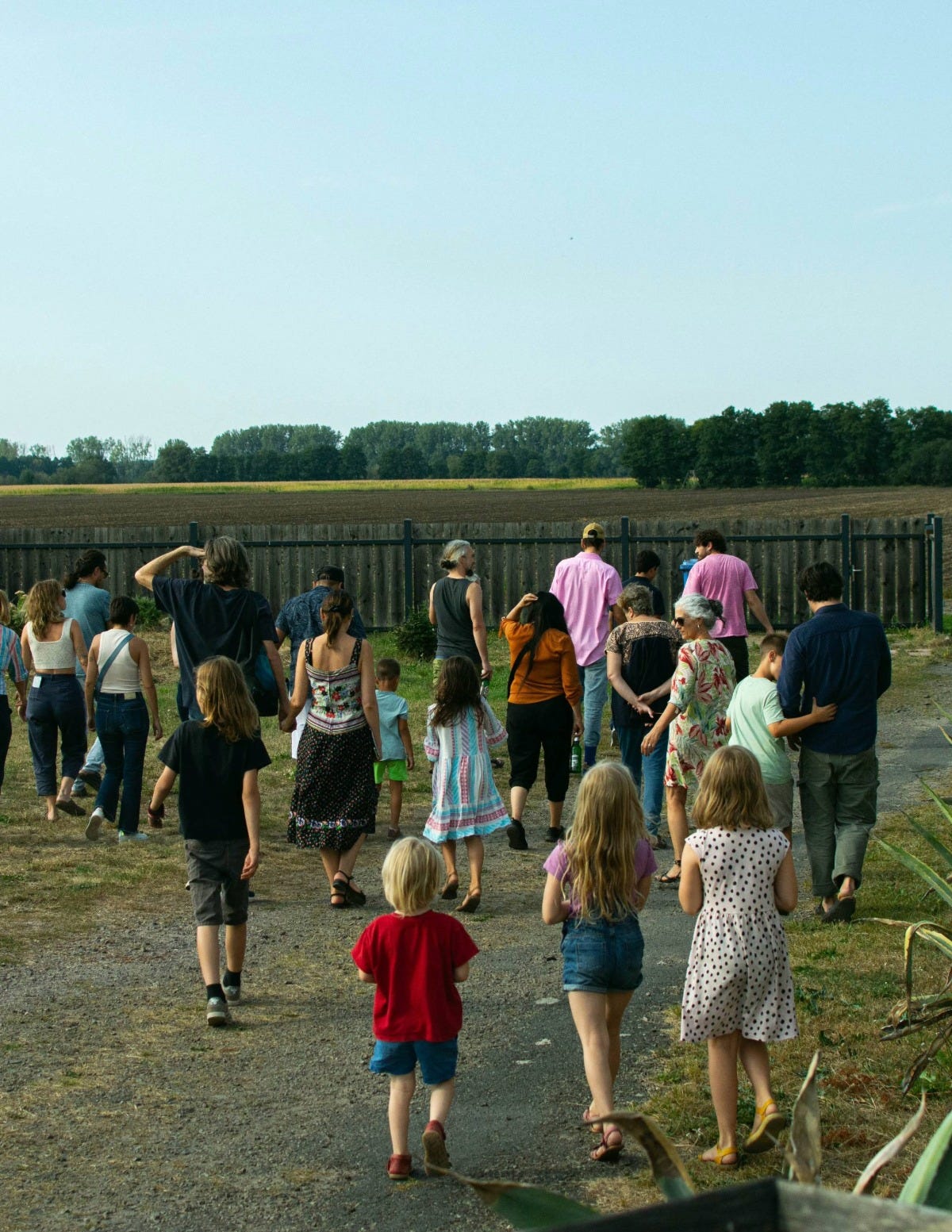
Panik is the name of the studio, derived from the German Torschlusspanik (Gate-shot-panic), which describes the fear of being locked out of the city walls in medieval times. But it is also used today to describe the midlife crisis.