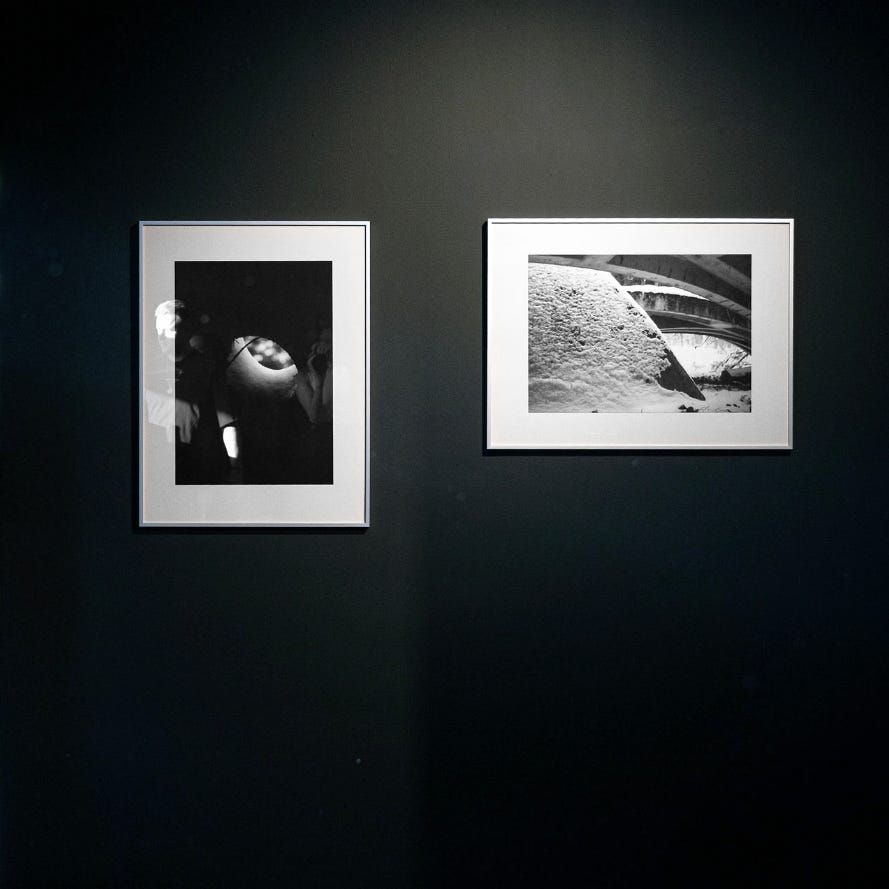
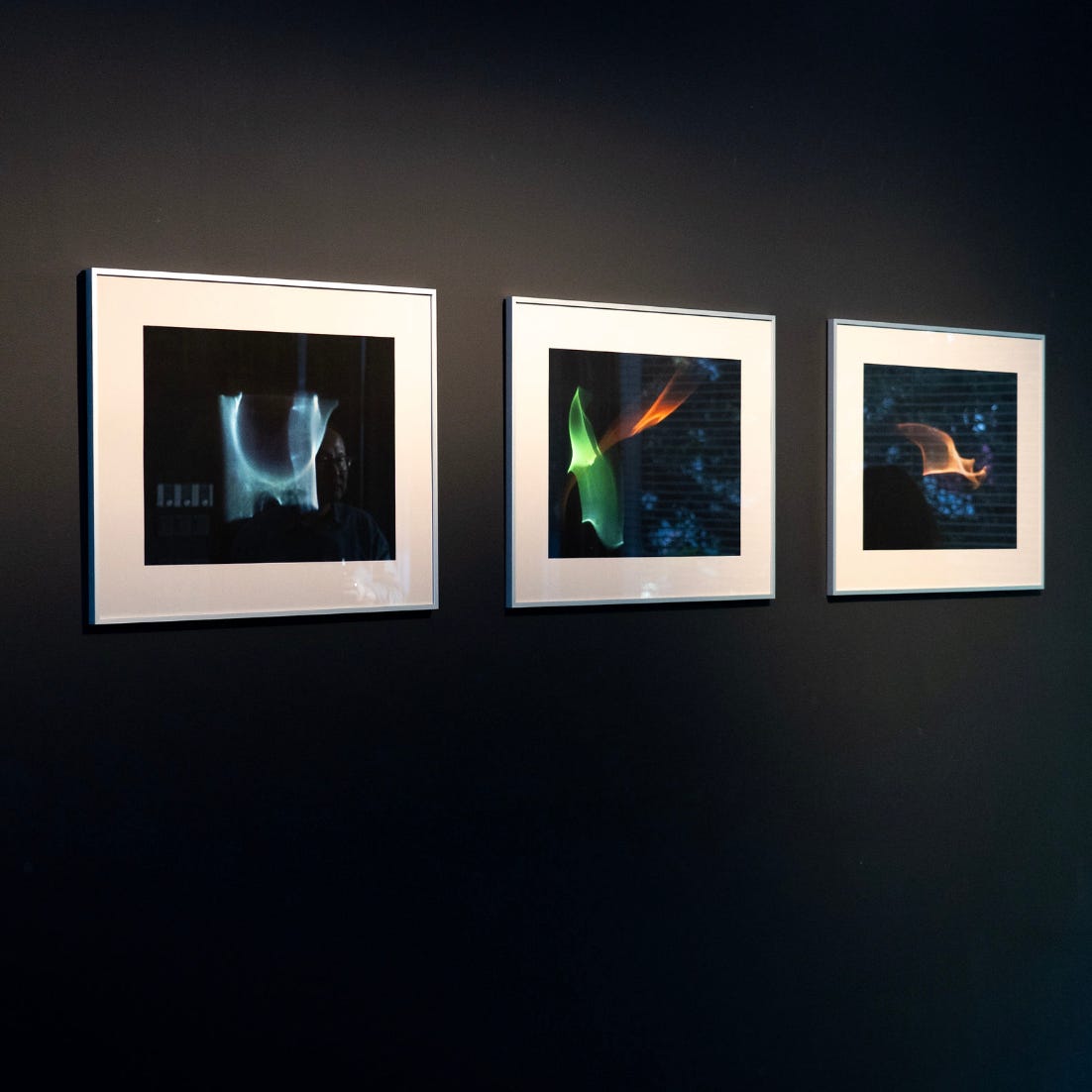
In his book Camera Lucida, Roland Barthes describes the photographic punctum as a personal experience that is felt like an emotional puncture, or a sting that grabs us unexpectedly while looking at a photographic image. It can be only a small gesture or detail, but it is something that is felt deeply, like a wound.
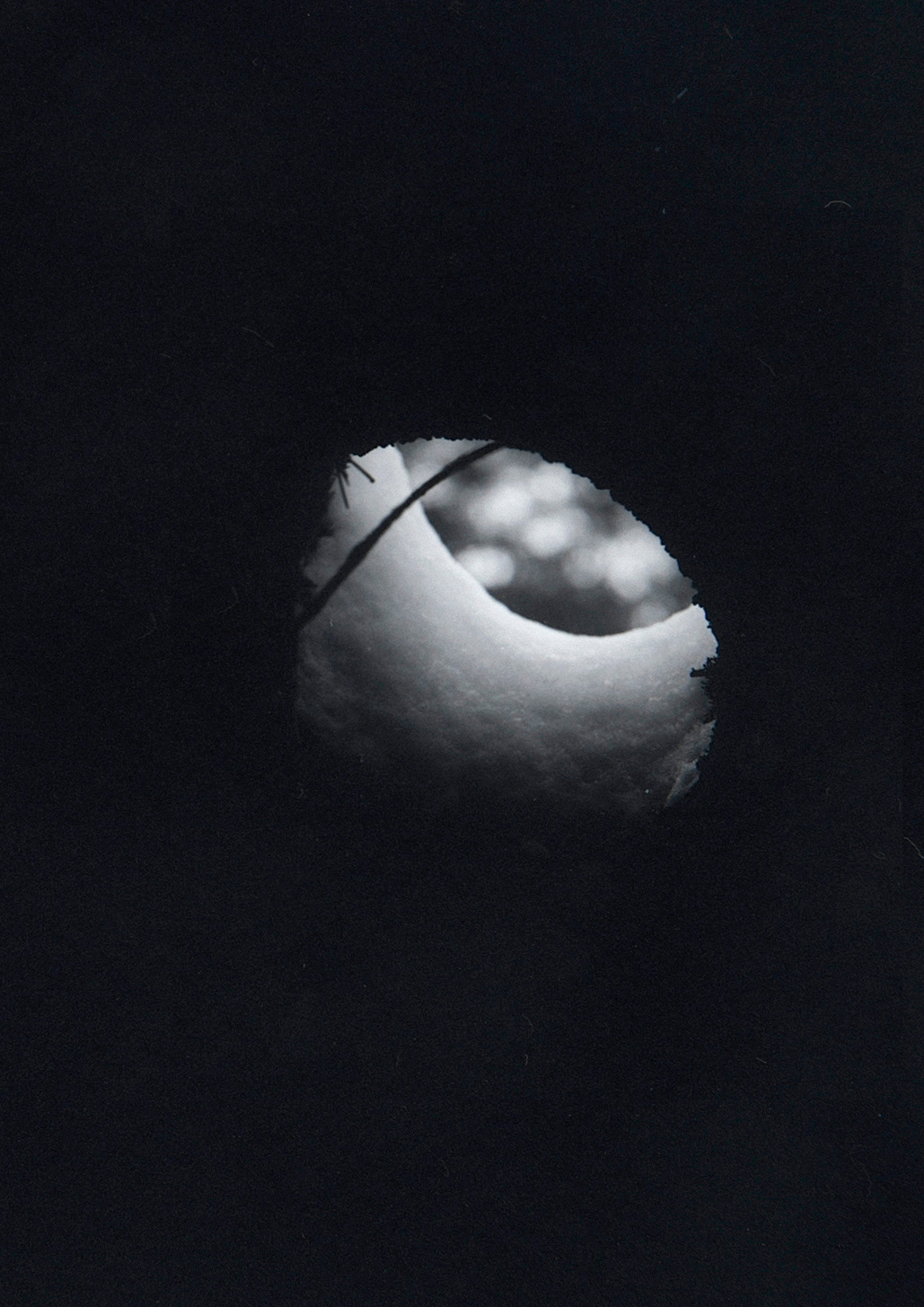
Neuzelle. Emilio Chapela
To exemplify this, he describes a particular photo of a boy wearing a uniform. He explains that it is not the image as a whole what moved him, but the particular way in which the young man’s belt was buckled, that enacted a specific childhood memory, felt as a puncture.
These kinds of experiences are profoundly personal and cannot be repeated, reproduced or even shared. Not only when motivated by the same gestures or details within the image. This eludes the author too, who has no control over how—or when—a viewer will form an emotional connection. This does not mean, however, that aesthetic qualities are purely serendipitous. The punctum is elusive, but it’s not a random operation.
The studium, however, points to the qualities of the image that can be described easily and shared with others: the context of the image, the subject-matter, the forms, and colours. What is happening in a photo? How things look like? It refers to the aspects of a photograph that are culturally legible and widely understood—its subject, historical context, composition, and narrative elements.
These are the qualities that draw our interest and that can be shared and discussed, leading to aesthetic experiences too. In the work of Henri Cartier-Bresson, for example, what brings wonder to the viewer is the careful and subtle construction of a precise narrative that he described as the Decisive Moment.
While these are qualities that are easily shared and can be better described as those derived from the punctum, they are not entirely eloquent in the same way, for example, as language. Photography, on occasions, hides a lot more than what it tells: its narratives, when present, are brief, atmospheric, concentrated, or subtle.
The photographs in this exhibition respond to these ideas. Rather than building linear narratives, they allow moments—details, gestures, or textures—to resonate unexpectedly with the viewer, inviting a personal and intimate response.
This images also point to specific locations in Mexico, UK, Germany, but the images are open and suggestive. They aim to puncture, but also to construct meaning by reflecting on the poetics derived from physical phenomena, science, personal experience, and wonder.